Olfactory and Trigeminal Pathways That Carry Lipid Nanoparticles From Nasal Epithelium to Brain Reward Circuits and Dementia Targets
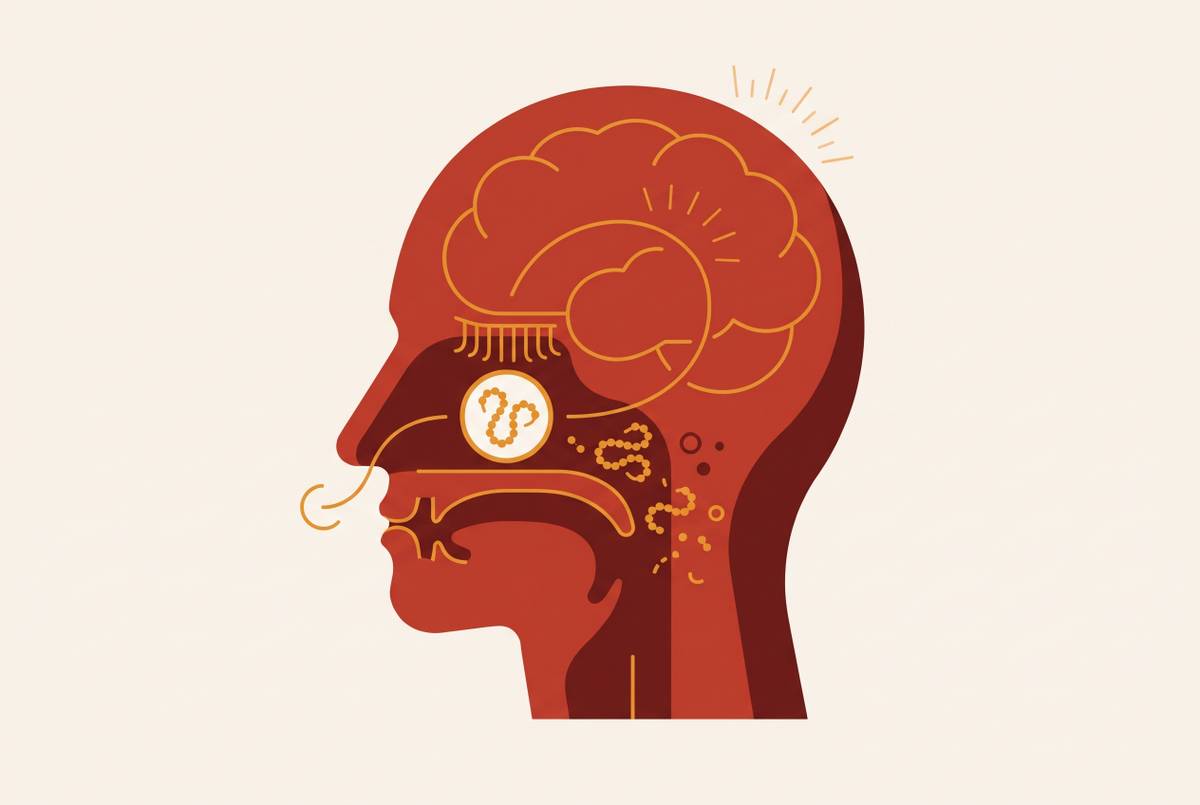
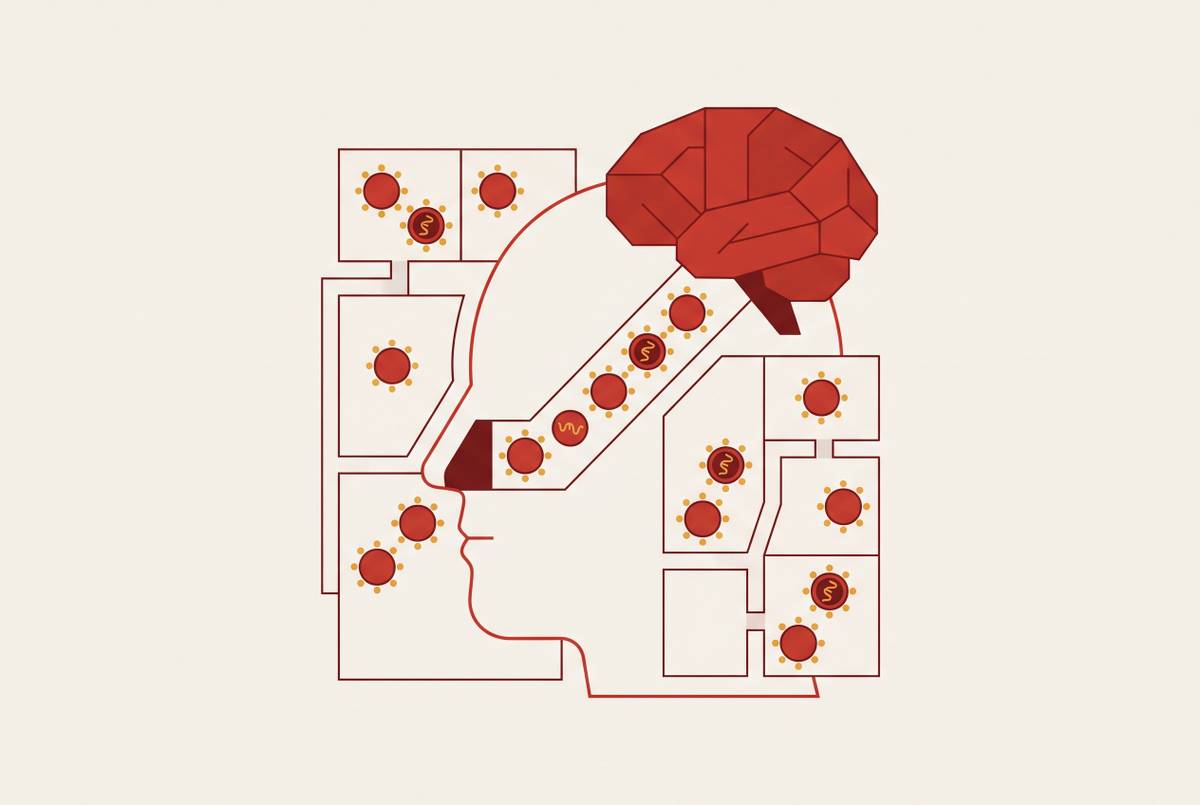
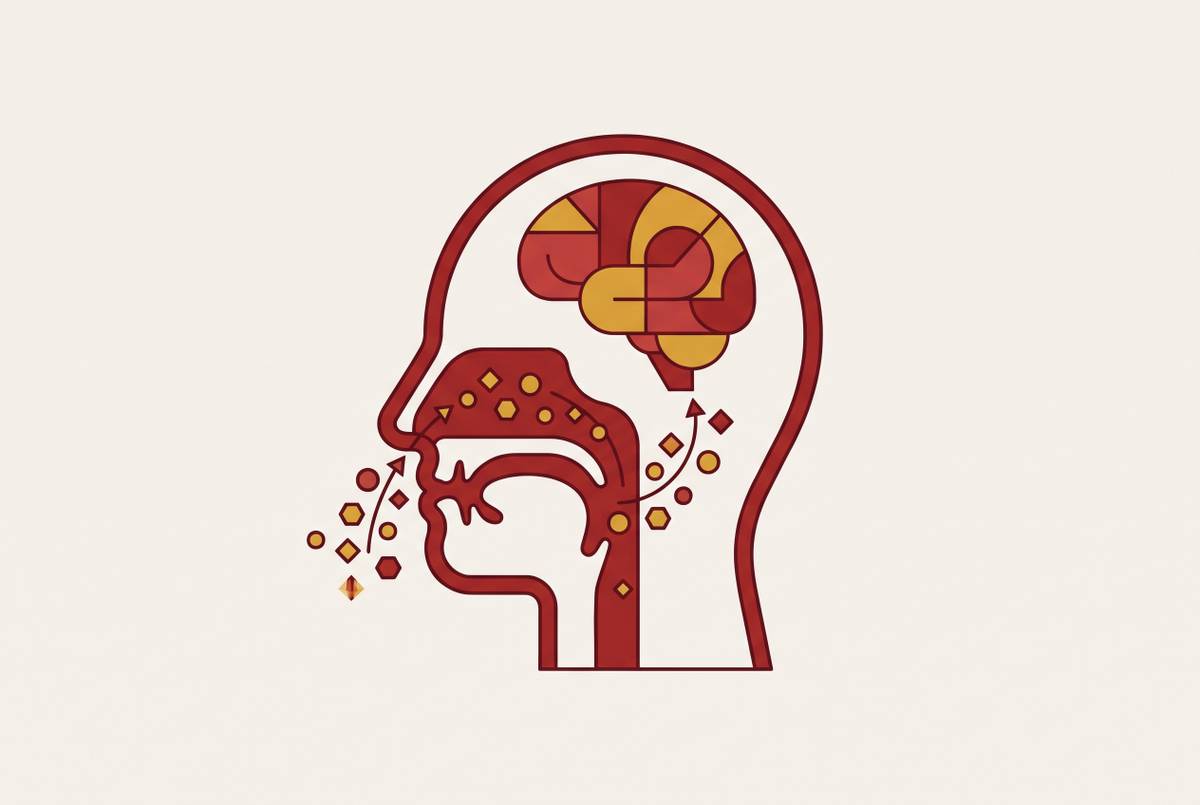
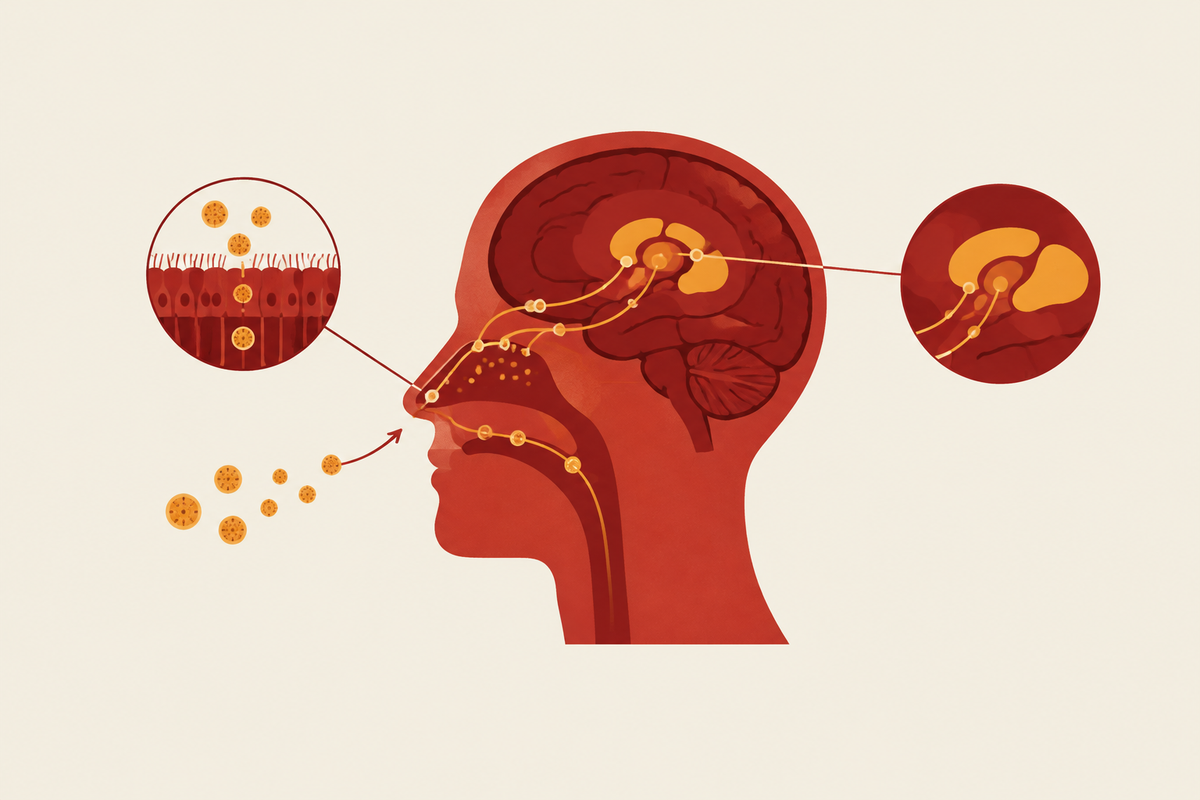
Intranasal lipid nanoparticles could deliver GLP-1 drugs to brain reward and dementia circuits.
Tobias Mehring
Section
12 stories in Nanoparticle Carriers.
Intranasal lipid nanoparticles could deliver GLP-1 drugs to brain reward and dementia circuits.
Foundational polymer chemistry and 30 years of research built a defensible delivery platform.
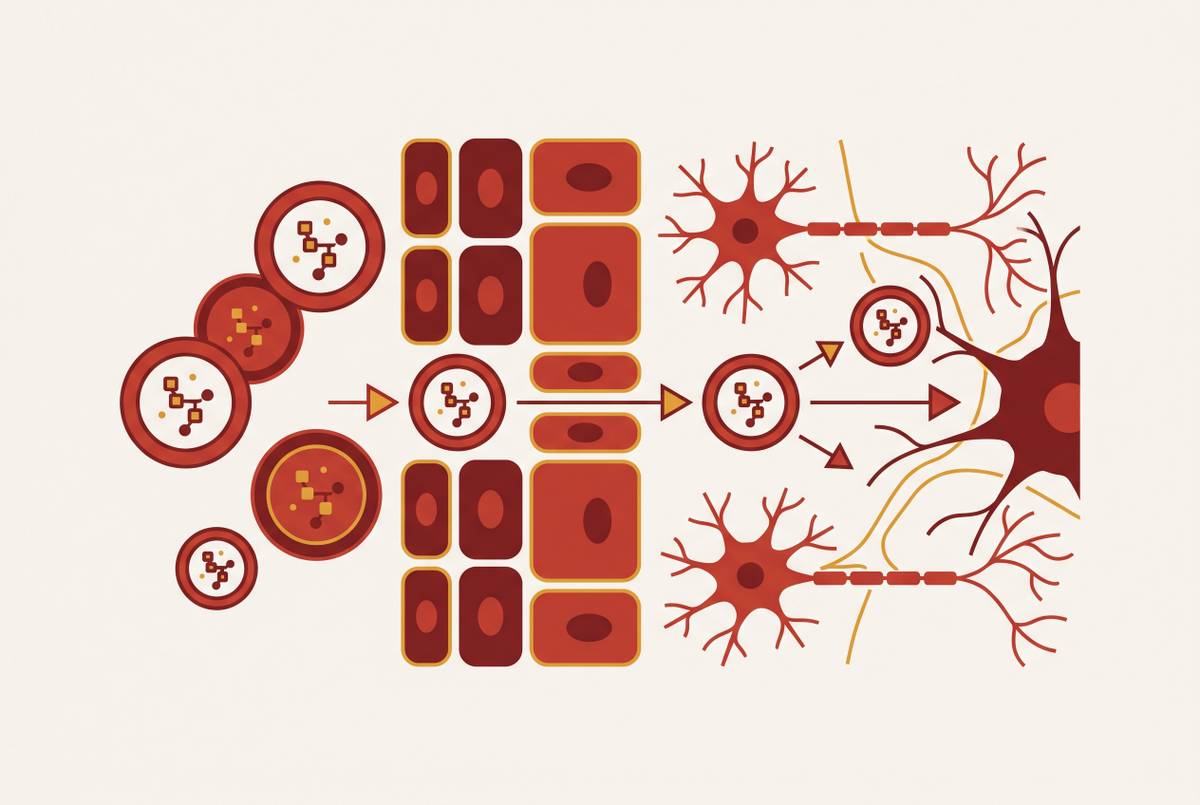
Nasal nanoparticles shield peptides from clearance, enzymatic attack, and epithelial barriers.
Nanocarrier IP protects how peptides reach the brain, not just the molecules themselves.
Lipid and polymeric carriers show the most promise for delivering brain drugs through the nose.
University spinouts may control GLP-1 delivery through foundational nanoparticle patents.
Tuning particle size and charge unlocks direct brain delivery through nasal routes.
Controlling particle physics, not just batch volume, keeps nanoparticles consistent at scale.
Exosomes could deliver brain peptides by mimicking cells' natural transport.
The FDA uses existing drug and biologic frameworks to evaluate nanoparticle products.
Ligand choice and particle chemistry must match the barrier's biology to reach the brain.
Peptide cargo requires different lipid formulation rules than the mRNA vaccines that came before.