PK/PD Modeling for Novel Delivery Route Development
Modeling predicts how novel delivery routes move drugs through the body before human testing.
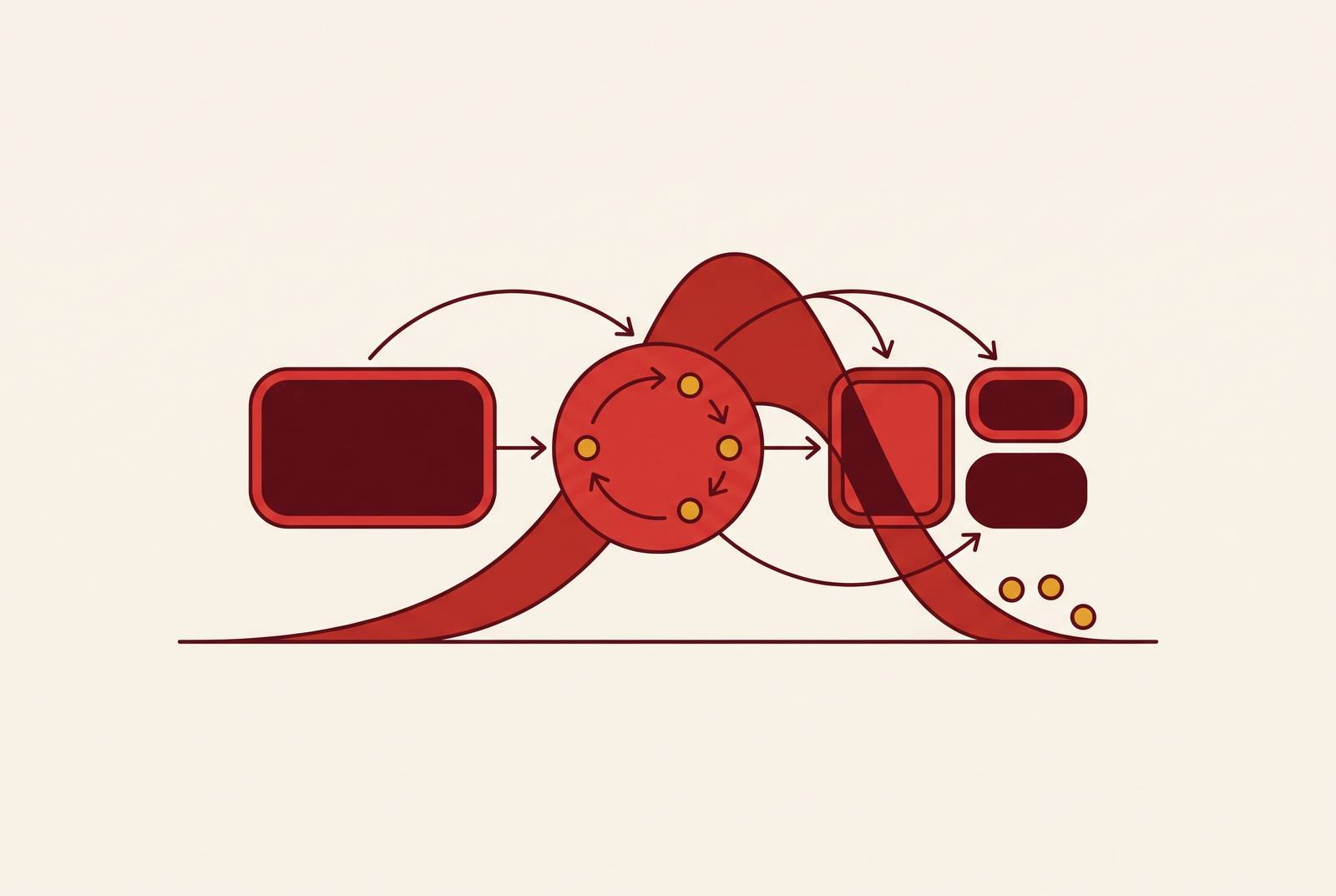
A drug developer staring at a new molecule faces one question before any other: how will this thing behave once it's inside a person? Pharmacokinetic and pharmacodynamic, or PK/PD, modeling is the systematic answer to that question, and it does far more than describe what a drug does after the fact. It lets researchers engineer drug behavior rather than simply watch it unfold, by separating out the contributions of the drug itself, the carrier that delivers it, and the biological system that receives it, then measuring each one on its own terms. That separation is the whole point. Zou and colleagues write in Frontiers in Pharmacology, and they use this same parameter-separation logic to justify applying PK/PD modeling to delivery systems that are far more complex than a simple pill or injection.
The two halves of the discipline answer two different questions. A 2025 Frontiers in Pharmacology editorial called PK/PD modeling "a cornerstone of modern drug development," language that treats it not as a niche technical skill but as infrastructure the whole field depends on. That infrastructure earns its keep by supporting decisions at every stage, from the earliest molecular design choices through clinical trial planning, cutting down the number of slow, expensive, and ethically fraught animal experiments a program would otherwise need to run.
The two main modeling frameworks
Two frameworks dominate PK/PD work, and they are not interchangeable tools for the same job. Compartmental models and physiologically based pharmacokinetic (PBPK) models encode different assumptions about biology, and picking one over the other is a scientific and strategic choice that shapes what a program can learn and what it cannot.
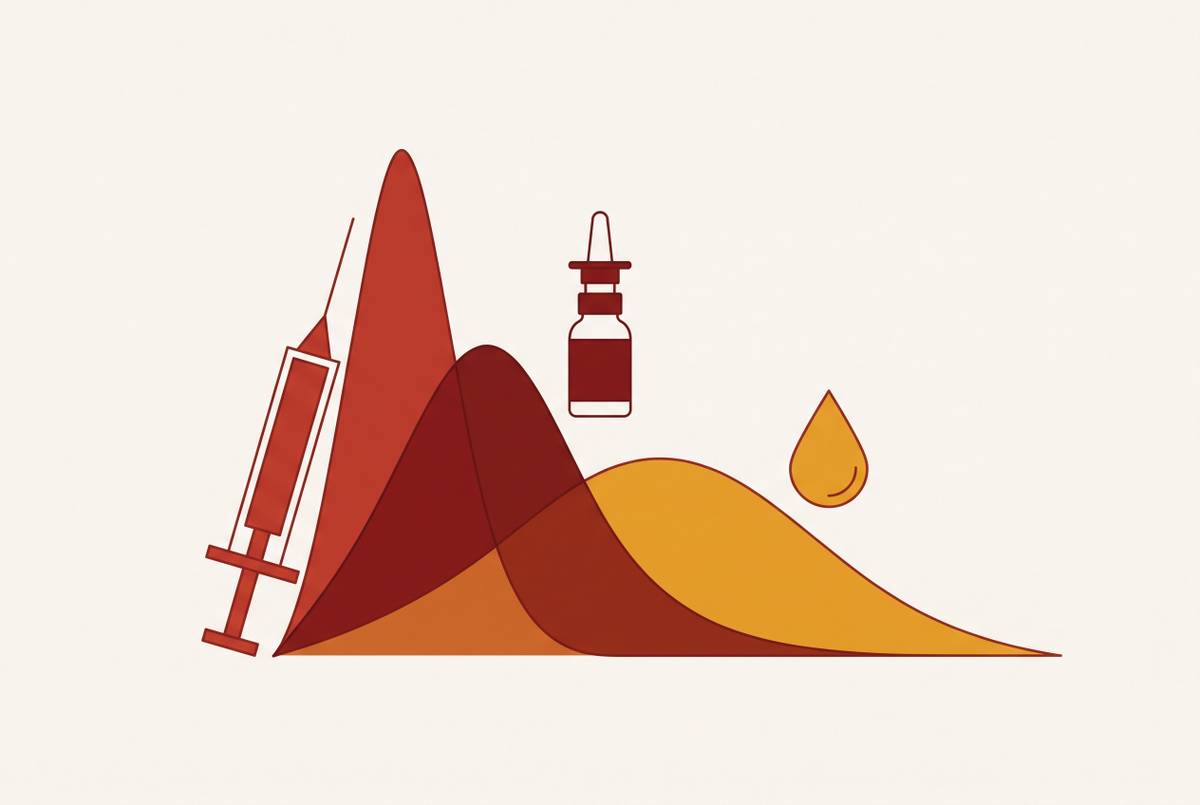
Compartmental models treat the body as one or more kinetically uniform compartments connected by rate constants. Flip-flop kinetics occurs when absorption happens more slowly than elimination, so the terminal half-life a researcher observes actually reflects the absorption rate, not the elimination rate. That distinction matters most for sustained-release formulations or unconventional routes, where how fast the drug gets absorbed, not how fast the body clears it, controls the shape of the concentration curve.
PBPK models take a different approach. The same 2025 Frontiers editorial notes that PBPK models give you a mechanistic window into drug behavior across species and routes of administration, so you can rely less on animal testing, and that improves the odds that early findings translate into clinical success.
Both frameworks connect to pharmacodynamics through the same bridge: the biophase, or effect-compartment, model.
How novel delivery routes require route-specific model architecture
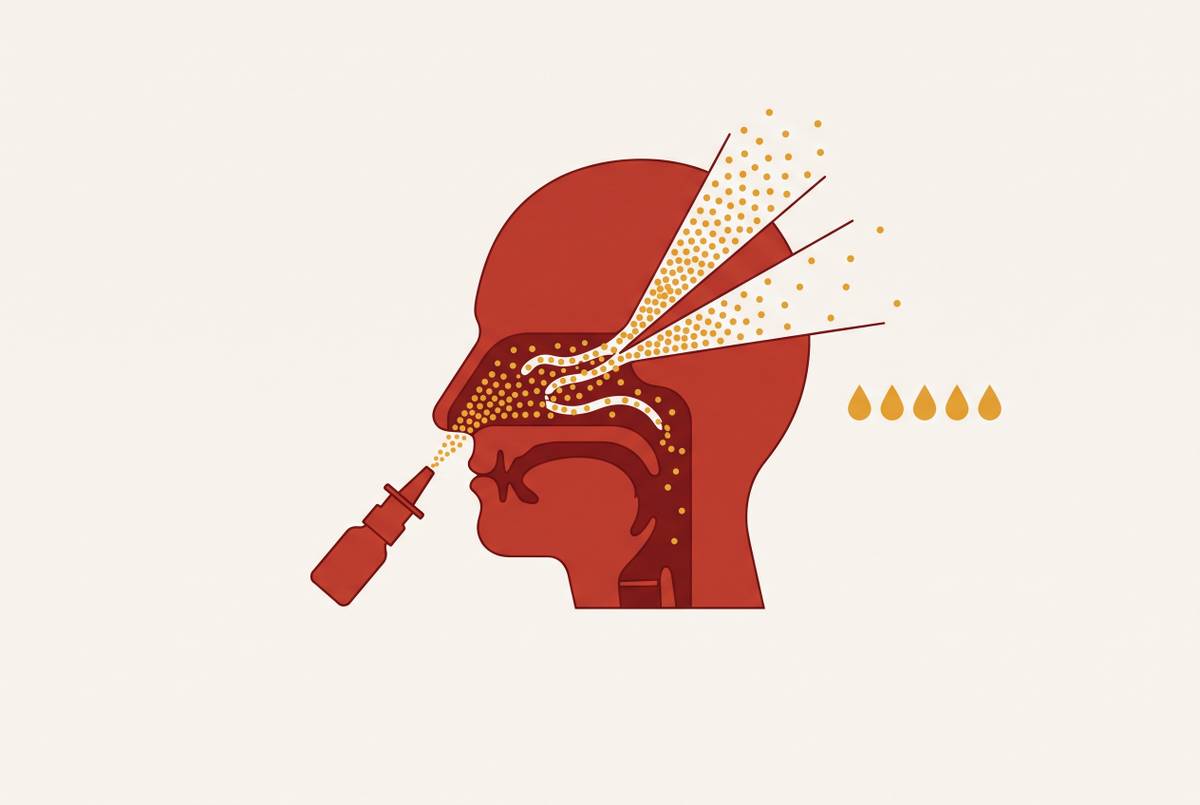
Standard PK, built around oral dosing or injection, assumes the gut or the tissue under the skin feeds into a central systemic compartment, and that compartment then distributes drug out to peripheral tissues, including whatever organ the drug is meant to reach. Intranasal delivery aimed at the brain breaks that assumption at its root. Olfactory and trigeminal neural pathways give the nasal epithelium a direct anatomical line to the central nervous system, and drug moving along those pathways bypasses the blood-brain barrier entirely rather than crossing it passively or through active transport.
That structural difference forces the model to split drug input into at least two separate pathways: direct transport along neural routes from nose to brain, and systemic absorption through nasal blood vessels that behaves like conventional distribution kinetics. The Journal of Pharmacy and Pharmacology review frames the central modeling challenge for novel delivery systems as capturing the interplay among drug release mechanisms, uneven tissue distribution, and variability between patients, and all of those complications get amplified once the route itself is unconventional.
You can see this same problem play out on the oral cavity, a different mucosal surface. Rakoczy and colleagues, in 2026 work on local drug delivery in the mouth, showed that pharmacokinetics inside the oral cavity diverge substantially from systemic models, so they need a dedicated framework to describe them accurately. Skipping route-specific architecture and reusing a systemic model is not a cautious, conservative choice. It produces a model that answers a question the program never asked, leaving the actual question, how much drug reaches the brain and by what path, unanswered.
What nose-to-brain delivery adds to the modeling problem
Modeling the nose-to-brain route means accounting for at least three competing processes running at once, each on its own timescale and its own anatomical footprint: mucociliary clearance, systemic absorption through nasal blood vessels, and direct neural transport. A model built around a single pathway cannot resolve any of them correctly.
Mucociliary clearance is the dominant way drug gets lost in the nasal cavity. The trigeminal nerve offers a second direct route into the CNS, reaching the brainstem and opening access to different brain targets than the olfactory path does. A model with two separate direct-entry pathways, rather than one olfactory compartment standing in for both, comes much closer to the actual physiology.
Drug absorbed through nasal blood vessels instead follows ordinary blood-flow-limited distribution, so it still has to cross the blood-brain barrier to reach brain tissue. Differences in nasal anatomy from one person to the next, septum shape, turbinate structure, clearance rate, run considerably larger than what's seen with oral or injected routes, and that variability has to be built into the model if its predictions are going to hold up once the drug moves from animals into people.
That translation from animal to human carries a specific, well-defined risk. So instead of scaling rodent data, you build a PBPK model on human physiological parameters, and that corrects for the gap before a program commits resources to human studies.
How PBPK models are built for novel routes
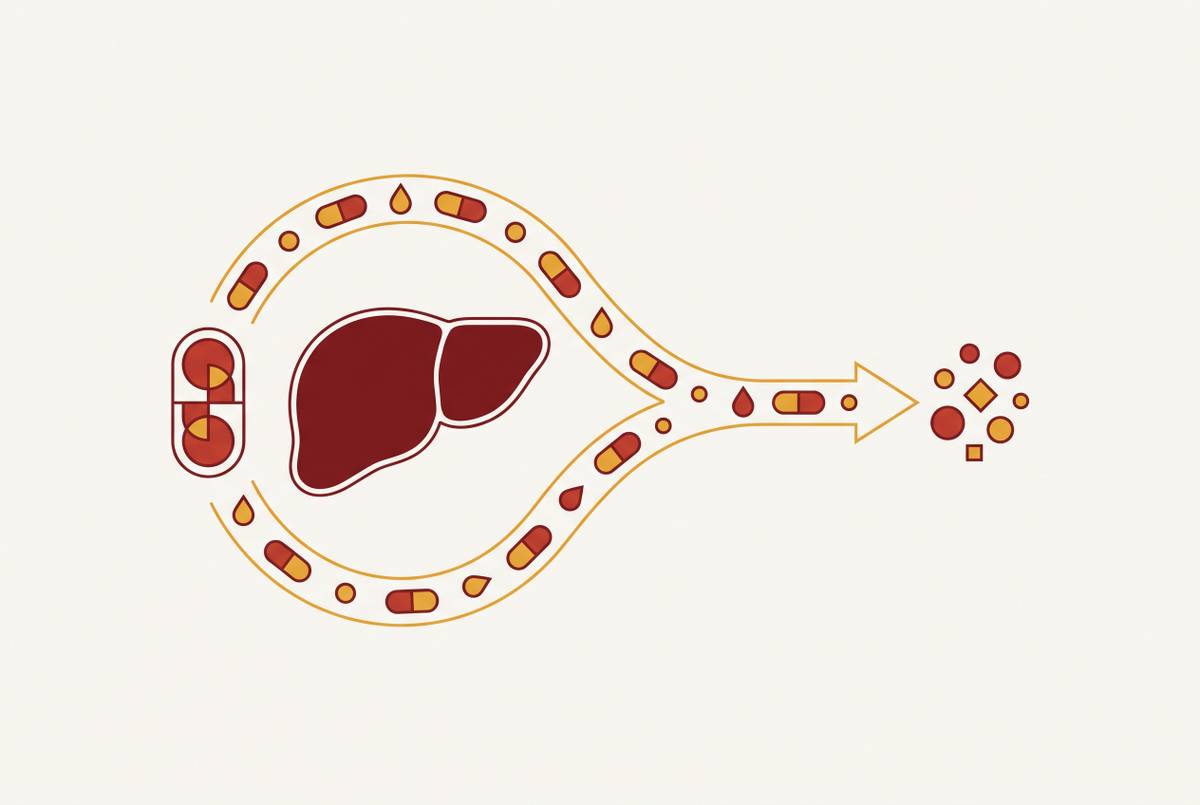
Building a PBPK model for an unfamiliar route follows a fairly consistent sequence. Physiological parameters come from the existing literature, drug-specific values come from in vitro assays run in the lab, and the step that actually earns its keep is predicting how the drug will behave in a living system from that assembled set of parameters, before anyone runs an animal study to check the work.
The physiological scaffold includes organ volumes, regional blood flow, tissue-to-plasma partition coefficients, and mucosal permeability values specific to the route in question. Drug-specific inputs come next: membrane permeability, often measured with Caco-2 or PAMPA assays adapted to nasal tissue, protein binding, metabolic clearance through CYP and non-CYP pathways, and for peptide drugs specifically, how fast enzymes in nasal secretions and in plasma break the molecule down. Each of these gets measured outside the body and then scaled up to predict what happens inside it. Carrier-specific inputs round out the picture: how fast a nanoparticle releases its drug payload, how quickly epithelial or endothelial cells take the particle up, and how the particle diffuses through mucus, all of which call for purpose-built assays rather than the standard ADME testing used for a conventional small molecule.
The step that matters most in this whole process is in vitro-in vivo extrapolation. The 2025 Frontiers editorial points to PBPK models for protein therapeutics that fold in physiological parameters and target-binding behavior to translate findings across species and across routes, which shows that cross-species translation gets solved through how the model is built.
The honest gaps in this process sit in a few specific places. Human data on olfactory permeability are thin, because sampling the human olfactory region invasively raises real ethical problems. Regional deposition depends heavily on device design and on how an individual patient inhales, and that varies from person to person. These are exactly the points where the model carries the least confidence, and where a targeted in vitro assay or an early human PK sample does the most good. The same logic carries over directly to modeling how much mucociliary clearance varies from one nose to another.
AI and Machine Learning in PK/PD Model Predictions
Machine learning doesn't replace mechanistic PK/PD modeling. ML methods can infer hidden parameters from population-level data in situations where fitting one patient at a time simply fails.
One application layers neural networks into PBPK models themselves: instead of estimating a rate constant like nasal epithelial permeability by hand as a function of formulation properties, a neural network trained on whatever in vitro and in vivo data exist can generate that function directly. A third application speeds up formulation design: by training on data linking nanoparticle physical properties to measured PK outcomes, ML models can predict which combination of size, surface charge, and mucoadhesive coating will produce the transport ratio a program wants, turning what would otherwise be an enormous experimental matrix into a focused search.
The Journal of Pharmacy and Pharmacology review names multiscale modeling, bridging in vitro findings with in vivo outcomes while using AI and ML to sharpen predictive accuracy, as a priority for the field going forward. On the regulatory side, the FDA's model-informed drug development framework has started to accommodate PBPK submissions built with ML components, so if programs invest in these methods now, they build evidence that regulators will actually accept, not just internal tools for making decisions faster. ML extends what a PBPK model can predict, but the physiological reasoning built into the mechanistic structure is still what makes the prediction trustworthy when the territory is genuinely new.
Why GLP-1 peptides make the nose-to-brain modeling problem especially demanding
GLP-1 peptides stack nearly every modeling challenge described so far on top of each other. If a model is going to produce a usable human prediction, it has to show rapid enzymatic breakdown, low membrane permeability, carrier-dependent transport, and a pharmacological target spread across multiple brain regions, all at the same time.
Degradation comes first. Native GLP-1 has a circulating half-life under two minutes, broken down by the enzyme DPP-4, and nasal secretions carry their own proteases on top of that. Physical barriers compound the problem: GLP-1 peptides are large, hydrophilic molecules with low passive permeability across membranes, so the nasal epithelial permeability parameter for the intact peptide sits well below what a typical small molecule would show, squeezing an already narrow absorption window even further against the clock set by mucociliary clearance.
Carrier dependence adds a second drug entity to track. Preclinical work backs up the potential payoff: intranasal delivery of GLP-1 receptor agonist peptides produced preferential accumulation in the hippocampus and neocortex within 30 minutes, with higher regional brain exposure than intravenous dosing, in transgenic Alzheimer's disease mouse models. That result makes a strong case for pursuing the intranasal route, but it has to pass through a species-corrected PBPK model before anyone can say what it predicts for a human brain.
The pharmacodynamic side is just as demanding. If that separation holds up, brain-preferential delivery becomes a scientifically meaningful design goal, and you can use the PK/PD model to find the exposure ratio where therapeutic benefit survives while the nausea-driving peripheral exposure gets minimized.
What the modeling tells us about neurological indications beyond metabolic disease
The strongest pharmacodynamic case for brain-targeted GLP-1 delivery is built around neurological outcomes, precisely because those are the indications where systemic delivery demonstrably cannot reach the regional brain concentrations that receptor distribution and preclinical data suggest are necessary for an effect.
Scientists at Washington University School of Medicine and the VA St. Louis Health Care System looked at health outcomes in more than two million people with diabetes taking GLP-1 drugs and found widespread associations with neurological and behavioral benefits, including lower risk of seizures and reduced addiction to alcohol, cannabis, stimulants, and opioids.
Dementia tells a more complicated story. A 2025 systematic review and meta-analysis found that GLP-1 receptor agonists did not improve memory or cognition compared with placebo in people with established Alzheimer's disease, even as the observational signal for broader neurological benefit stayed strong elsewhere. A UCSF analysis attributed that gap to the likelihood that GLP-1's apparent neuroprotective effect runs through vascular and metabolic pathways. A PK/PD model is built to resolve exactly that distinction. If it works through direct receptor activation in hippocampal or cortical circuits, brain-preferential delivery becomes essential, and the model is what distinguishes between those two possibilities by predicting what regional brain concentration each delivery approach actually achieves.
Addiction indications sit in a particularly favorable position for this kind of delivery. The reward circuitry involved sits among the regions reached by olfactory and trigeminal pathways, so a nose-to-brain model mapping regional CNS exposure can predict whether therapeutically meaningful concentrations are achievable there without the peripheral exposure responsible for GI side effects. Each neurological indication still needs its own PD model, built around receptor density, signaling kinetics, and whatever functional outcome matters for that condition in that brain region. The PK model describing nose-to-brain transport, by contrast, can be shared across indications. That shared PK platform paired with indication-specific PD modules is what makes a delivery platform scientifically coherent as a program spanning multiple diseases: the modeling investment made for one indication pays off again every time the underlying receptor biology supports a new one.
From model to decision: how PK/PD outputs guide the go/no-go choices that define a novel route program
Everything described in this piece exists to support a handful of consequential decisions: what dose to pick, how to design the formulation, which species to use for toxicology work, and how to structure a first-in-human study, with quantified uncertainty behind each choice.
Formulation decisions come first in practice. Because the gap between rodent and human olfactory epithelium is known and can be built into the model, the model can also generate a probability distribution over expected human brain exposure, and that distribution defines, in concrete terms, the clinical risk a program accepts the moment it moves into human testing.
This connects to how regulators already think about drug development. The 2025 Frontiers editorial points to model-informed drug development: in the leritrelvir COVID-19 program, population PK analyses supported trial design and allowed faster clinical development. The model
Sources
- Editorial: Application of PKPD modeling in drug discovery and development
- Pharmacokinetic modeling in drug delivery system
- Mathematical Modeling of Local Drug Delivery in the Oral Cavity: From Release Kinetics to Mini-PBPK and Local PK/PD with Applications to Periodontal Therapies
- Intranasal drug delivery: The interaction between nanoparticles and the nose-to-brain pathway - ScienceDirect
- Intranasal Drug Delivery in Neuropharmacology: Advances in Brain-Targeted Therapies and Bioethical Challenges - PMC