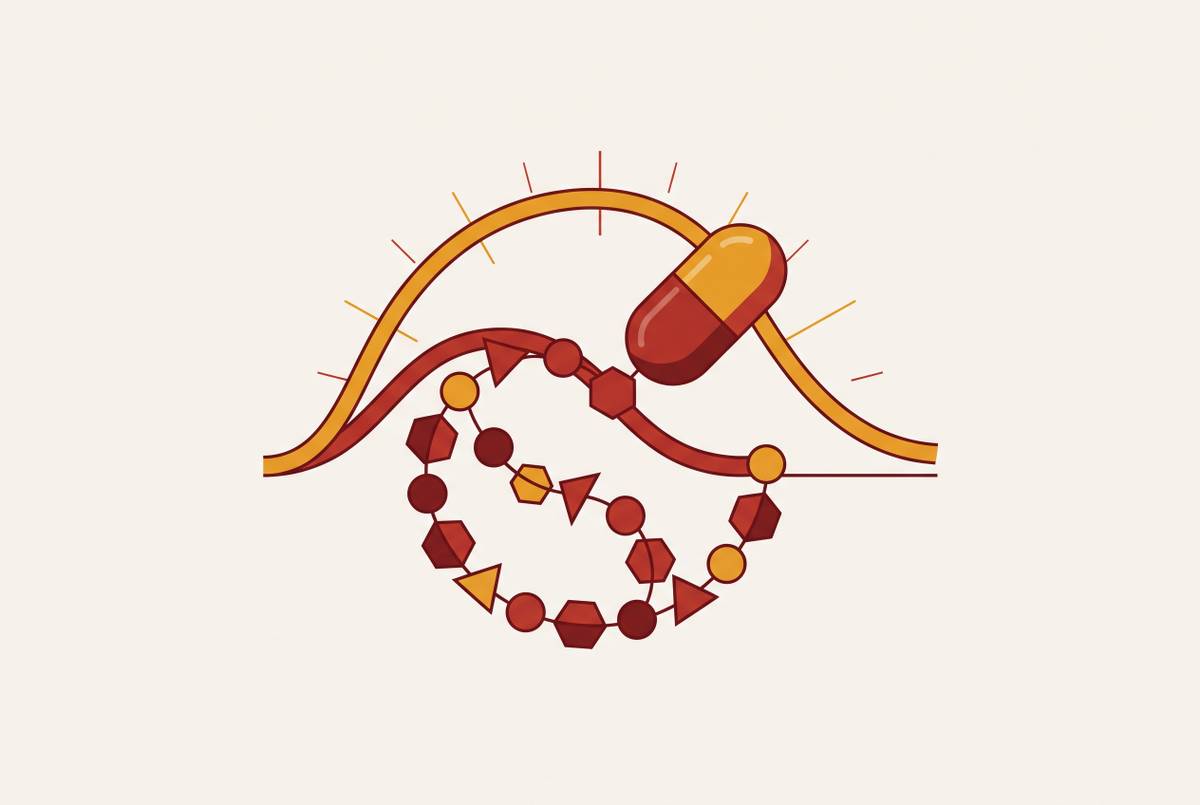
Cmax and Tmax Profiles Across Subcutaneous, Intravenous, and Intranasal Routes
How different injection routes reshape peak drug levels and timing for clinical effect.
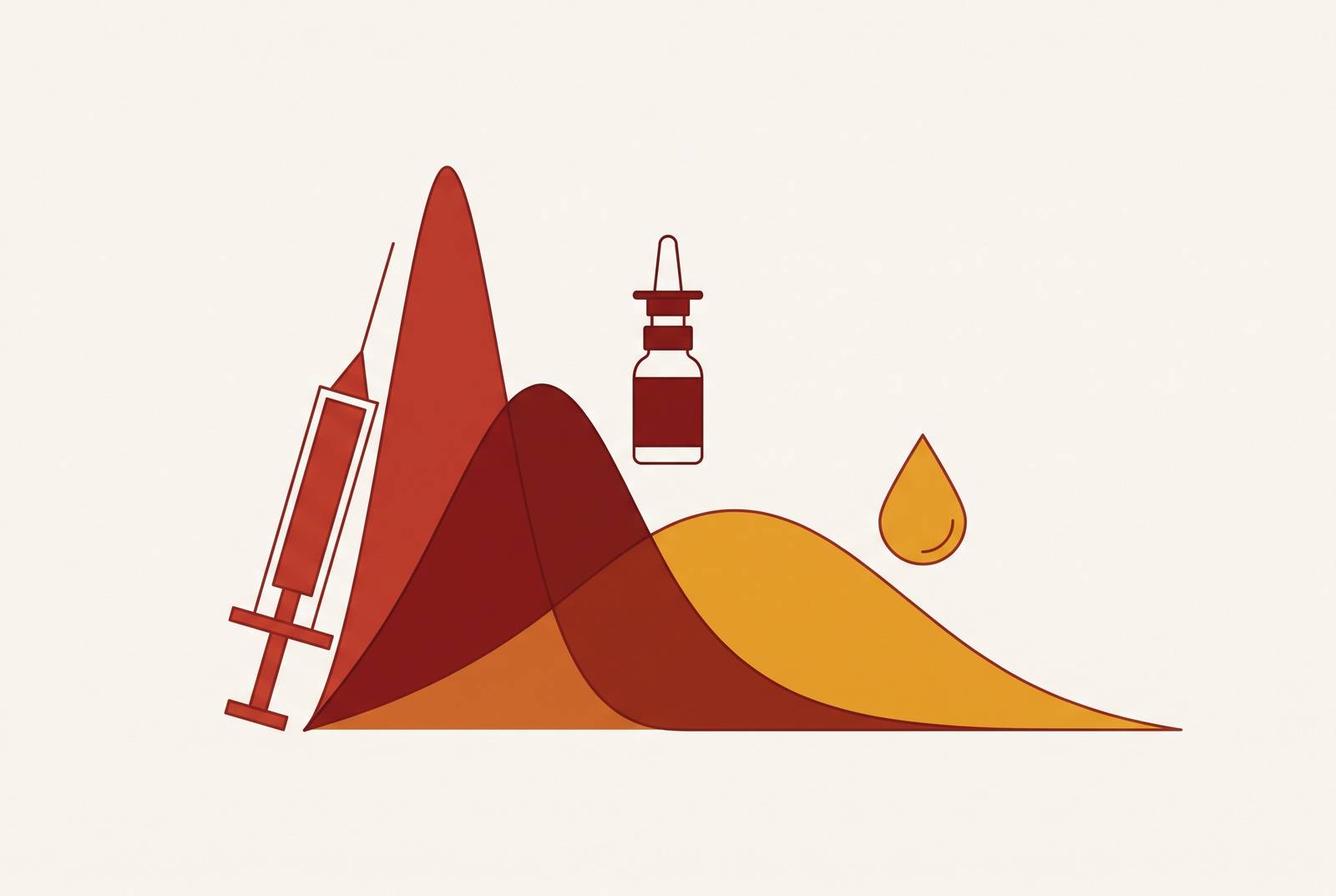
Cmax and Tmax, the peak concentration a drug reaches in plasma and the time it takes to get there, are the two numbers that decide whether a therapy works and whether it's safe. They are not properties of the molecule itself. They are consequences of the route a developer picks to deliver it, and that single decision shapes everything downstream.
Why Cmax and Tmax are route-dependent, not molecule-dependent
It's tempting to think of Cmax and Tmax as fixed traits, something like molecular weight or solubility, baked into a compound before anyone decides how to give it to a patient. That's a mistake, and it's a mistake that appears in failed formulation programs more often than anyone wants to admit. The peak concentration a drug reaches, and how fast it gets there, depends almost entirely on the absorption step, or the absence of one. Intravenous administration deletes that step. Subcutaneous administration slows it down, turning a spike into a slope. Intranasal delivery reroutes it, sending drug through a different membrane entirely, one that opens onto different physiological territory.
Get the profile wrong and the consequences aren't subtle. A Cmax that's too low means the drug never reaches the concentration needed to hit its target, so the patient gets nothing. A Cmax that's too high risks toxicity or side effects the therapeutic window was never built to tolerate. A Tmax that's mistimed against the clinical need, too slow for an acute seizure, too fast for a chronic maintenance therapy, means the drug arrives at the wrong moment even if the dose is otherwise correct. And a peak in the wrong compartment of the body, systemic circulation instead of brain tissue, say, can trigger side effects nobody was targeting in the first place.
So the practical stakes are high, and they arrive earlier in development than most people assume. Choosing a route is choosing a pharmacokinetic profile, full stop, and that choice needs to happen before formulation work begins, not after a molecule is already locked into a delivery mechanism that can't achieve what the indication requires. No single route wins across the board. IV, subcutaneous, and intranasal each solve for a different combination of molecule, target tissue, and patient context, and the rest of this piece walks through why.
How IV administration produces an immediate, high-amplitude Cmax
Intravenous delivery is the simplest case, mechanically speaking, because it removes the one variable that complicates every other route: absorption. The drug goes straight into systemic circulation, no membrane to cross, no tissue to diffuse through. The result is the highest Cmax achievable for any given dose, by any route available.
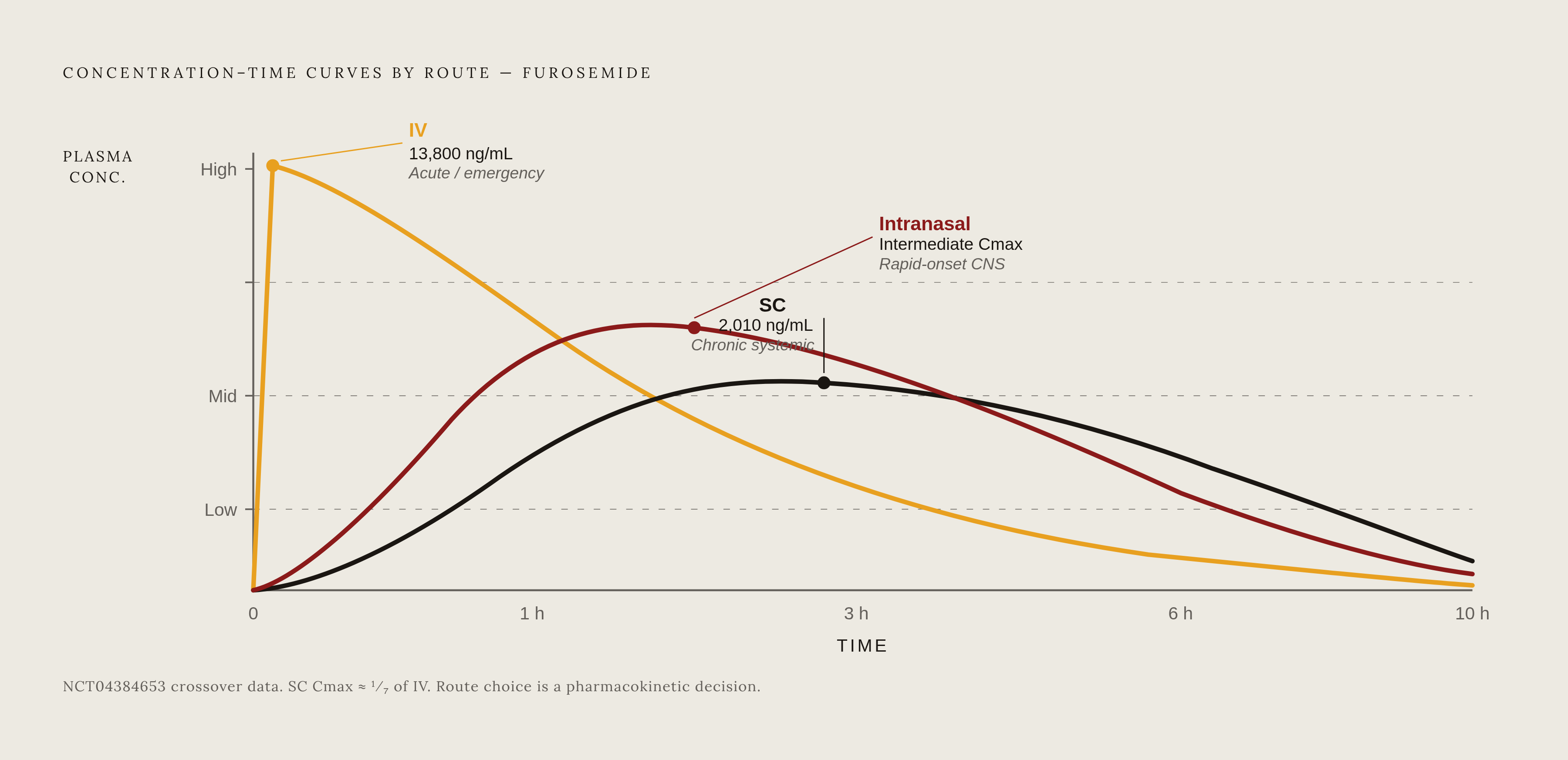
The furosemide data make this concrete rather than theoretical. A second, separate crossover trial (NCT02329834, 15 participants) independently landed on IV Cmax of 8,580 ± 2,540 ng/mL versus 2,040 ± 449 ng/mL subcutaneous, confirming the same pattern Crossover Study to Compare the Pharmacokinetics and Bioavailability o… Absorption pharmacokinetics and feasibility of intranasal dexmedetomi…. The IV-to-SC Cmax ratio reflects a structural feature of absorption physiology that holds broadly across drug classes, rather than being a molecule-specific curiosity.
But the same properties that make IV so precise also make it clinically demanding. Hitting a controlled, high Cmax this reliably requires IV access, trained staff, and continuous monitoring, infrastructure that works fine in a hospital and fails completely as a model for a patient managing a chronic condition at home. IV's near-zero Tmax is what you want when reversing an overdose or treating acute pain, where every minute of delay matters. It's a liability everywhere else, in any setting where a slower, sustained concentration curve actually serves the therapy better than a sharp spike. Furosemide crossover data from ClinicalTrials.gov NCT04384653 (18 participants) showed an IV Cmax of 13,800 ± 4,100 ng/mL versus an SC Cmax of 2,010 ± 391 ng/mL, a roughly 2-fold difference in peak exposure from identical doses (NCT04384653), alongside a roughly 4-fold difference reported in NCT02329834 Crossover Study to Compare the Pharmacokinetics and Bioavailability o… Pharmacokinetics and pharmacodynamics of intranasal remimazolam-a ran… Bioequivalence Assessment for Intranasal Rapid‐Acting Drug Products -….
Subcutaneous administration trades peak height for a sustained depot effect
Subcutaneous injection deposits the drug into the hypodermis, the tissue layer just under the skin, where it has to diffuse through interstitial fluid and cross capillary or lymphatic walls before it ever reaches systemic circulation. That absorption step, the one IV skips, defines the SC curve. Local blood flow, lymphatic uptake, and the physicochemical properties of the drug itself all govern how fast that happens.
The shape that produces is the opposite of IV's spike. Cmax comes in dramatically lower and Tmax stretches out to somewhere between tens of minutes and several hours depending on the peptide, with an extended absorption tail that keeps plasma levels sustained well past when an IV dose would have already cleared, marking a fundamentally different kind of exposure over time. That's a categorical divergence in magnitude. It's a categorical change in the shape of the concentration-time curve: a fundamentally different kind of exposure over time, not just a smaller peak.
That sustained-exposure shape is why SC became the default route for peptide therapeutics, GLP-1 agonists chief among them. Sustained receptor occupancy is what drives efficacy for these drugs, self-injection is manageable with an auto-injector at home, and no clinical setting is required to administer a dose. As a platform, it's efficient and it's scaled to how patients actually live with chronic disease.
Where it runs into a wall is the brain. Drug entering systemic circulation from an SC depot still has to cross the blood-brain barrier like anything else moving through the bloodstream, and for large peptides that can't cross that barrier passively, a high systemic Cmax tells you nothing reliable about what's actually reaching brain tissue. Nausea is a useful case study here, and not an incidental one. For peptides acting on peripheral receptors, in the gut, in the area postrema, a systemic peak that overshoots the therapeutic window can trigger dose-limiting side effects directly, and that overshoot is one of the leading reasons patients discontinue GLP-1 treatment. SC delivers systemic exposure well. It has no mechanism for selectively routing drug toward the central nervous system, and that limitation is precisely what opens the door to a different route, one engineered from the start to redirect the concentration curve toward a specific compartment. The furosemide data again show that SC Cmax was roughly one-seventh of IV Cmax at equivalent doses, a categorical shift in the concentration-time shape.
Intranasal absorption creates a distinct Tmax window and redirects drug toward the CNS
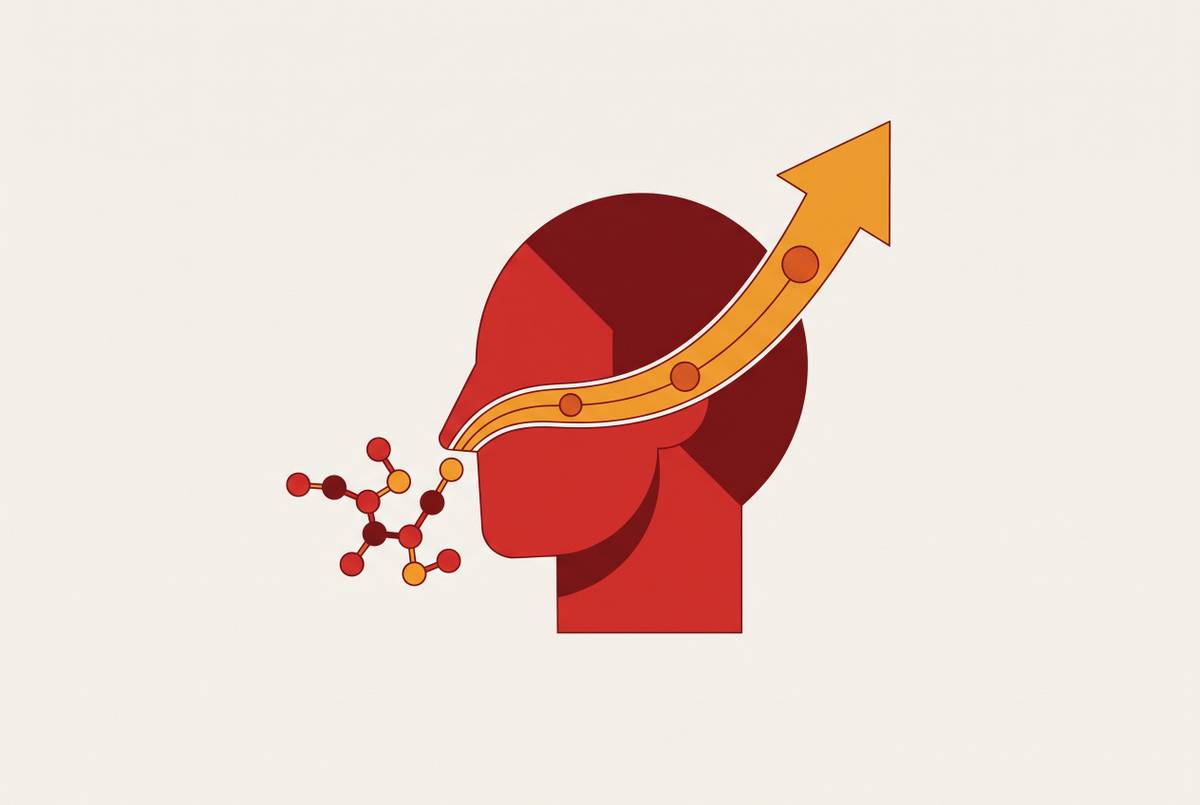
Intranasal delivery works through a membrane that's fundamentally different from the ones IV and SC rely on. It also skips hepatic first-pass metabolism, which matters a lot for compounds the liver would otherwise strip down before they ever reach systemic circulation.
The Tmax profile that results is fast, but not instant, and how fast depends heavily on the molecule and the formulation. Intranasal fentanyl in buffered aqueous formulations hit Tmax somewhere between 11 and 16 minutes depending on dose Pharmacokinetics and pharmacodynamics of intranasal remimazolam-a ran… Clinical and pharmacokinetics overview of intranasal administration o… Bioequivalence Assessment for Intranasal Rapid‐Acting Drug Products -… Frontiers | Relevant pharmacokinetics, bioavailability, and bioequiva…. Intranasal remimazolam reached Tmax at 10 minutes with absolute bioavailability around 50% Pharmacokinetics and pharmacodynamics of intranasal remimazolam-a ran… Clinical and pharmacokinetics overview of intranasal administration o… Bioequivalence Assessment for Intranasal Rapid‐Acting Drug Products -… Frontiers | Relevant pharmacokinetics, bioavailability, and bioequiva…. But speed isn't universal to the route. Same route, radically different temporal shape. Chlorpheniramine maleate adds breadth: intranasal and buccal routes demonstrate faster absorption and partial hepatic bypass with a Tmax range of 0.25–3 h depending on formulation, a Frontiers in Pharmacology 2025 review found, reinforcing that intranasal Tmax is a formulation design variable within a route-defined window. A critical distinction for CNS targeting is that intranasal plasma Cmax is not the relevant metric for brain-targeted therapies (brain Cmax is).
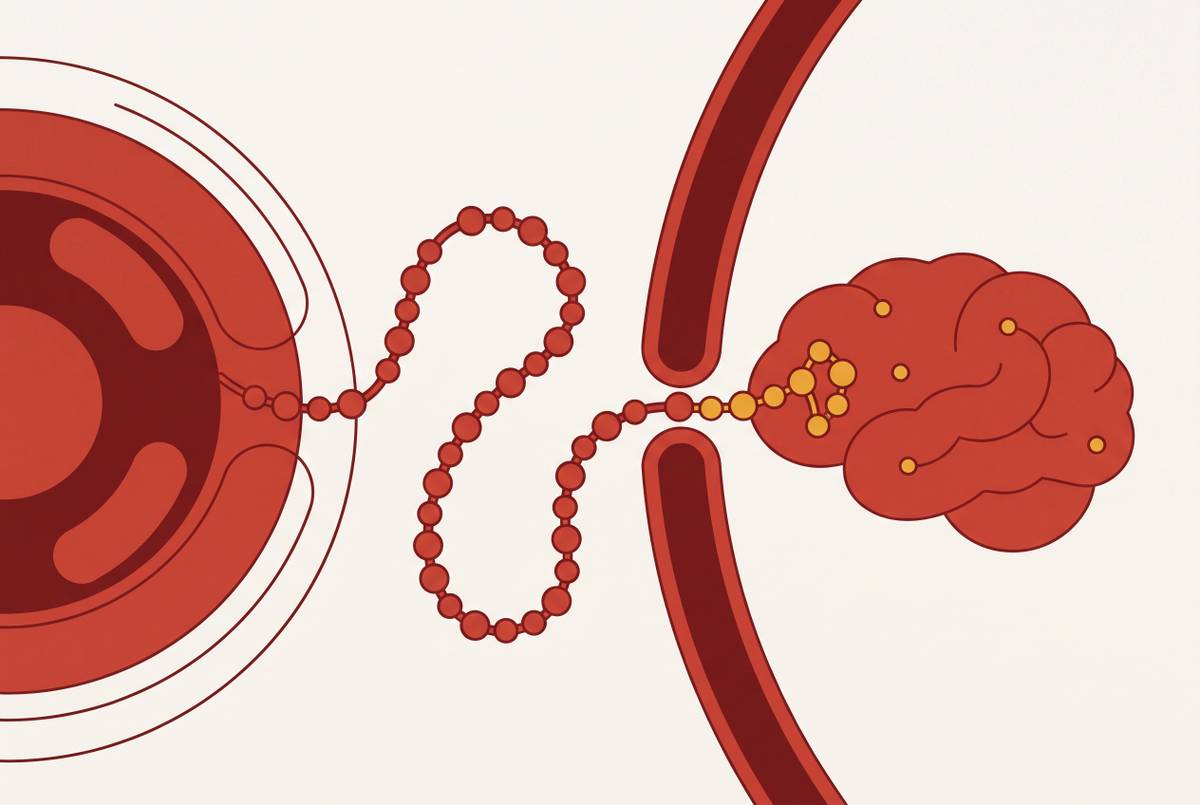
None of that plasma data is the point, though, if the target is the brain. Getting drug across that membrane and into brain tissue depends on which pathway it takes, olfactory nerve, trigeminal nerve, or the respiratory route, and on cellular mechanisms like clathrin-mediated endocytosis, caveolae and lipid raft internalization, macropinocytosis, and receptor-mediated transcytosis, each of which governs how efficiently a specific molecule or particle actually makes it through. Intranasal absorption mechanics involve the drug crossing the thin nasal mucosa, approximately 100–200 µm thick compared to 400–800 µm for intestinal mucosa per the 2026 J Clin Pharmacol bioequivalence review, directly into systemic and olfactory/trigeminal pathways Pharmacokinetics and pharmacodynamics of intranasal remimazolam-a ran… Bioequivalence Assessment for Intranasal Rapid‐Acting Drug Products -… Pharmacokinetics of Intranasal versus Subcutaneous Insulin in the Mou… Frontiers | Relevant pharmacokinetics, bioavailability, and bioequiva…. Intranasal dexmedetomidine illustrates a different temporal shape, with a mean Cmax of 0.273 µg/L at a Tmax of 98 minutes, sustained near that Cmax for approximately 2 hours, and Acta Anaesthesiologica Scandinavica reports this pattern as evidence that intranasal delivery is not always fast, as molecule and formulation determine the curve Absorption pharmacokinetics and feasibility of intranasal dexmedetomi… Frontiers | Relevant pharmacokinetics, bioavailability, and bioequiva….
The brain:plasma Cmax ratio as the metric that separates intranasal from subcutaneous for CNS indications
For any CNS-targeted therapy, the question to ask isn't which route pushes plasma Cmax higher. It's which route delivers more drug into the brain for every unit of systemic exposure it costs. That reframing changes which route looks better, and by how much.
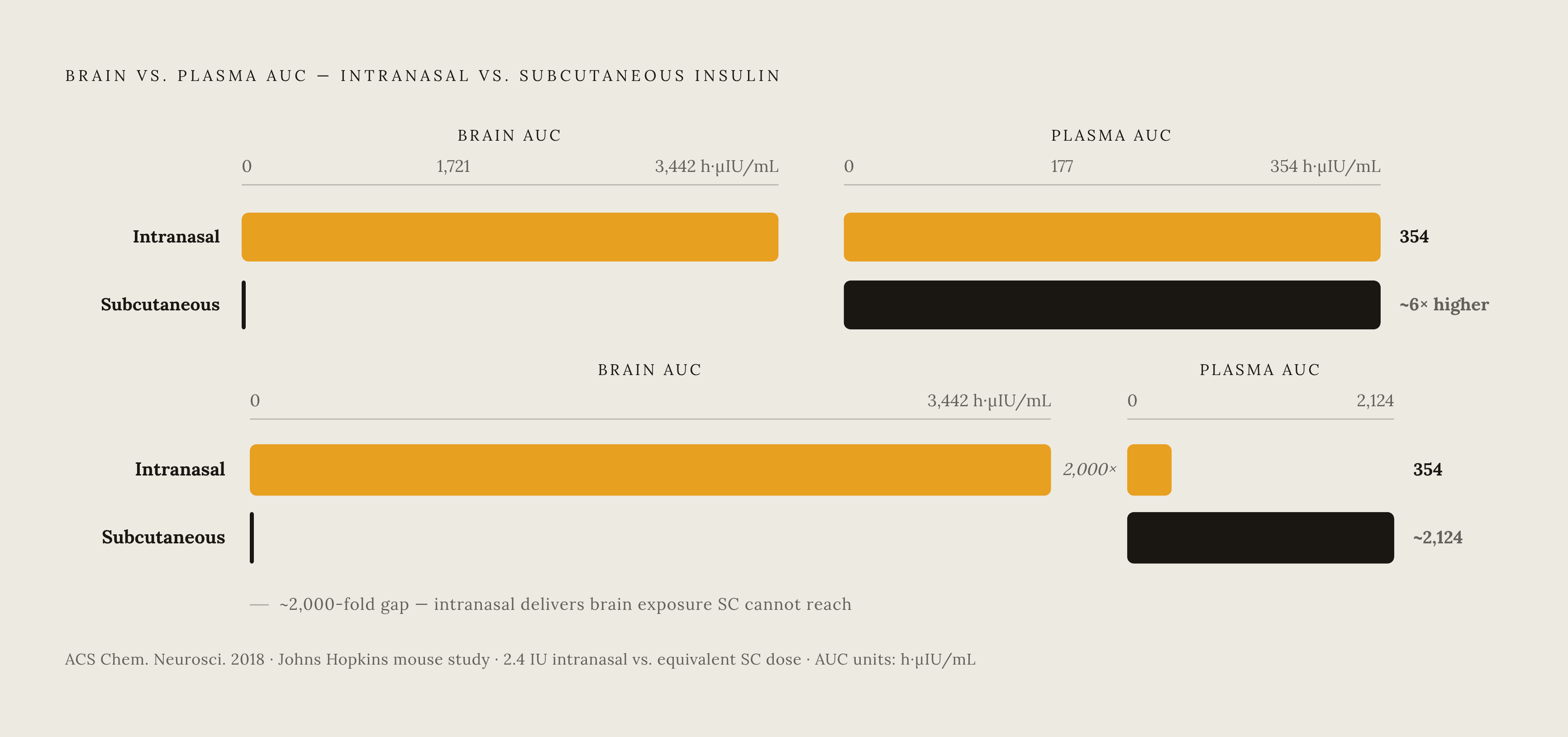
A 2018 mouse study out of Johns Hopkins, published in ACS Chemical Neuroscience, makes the case with numbers hard to argue past Pharmacokinetics of Intranasal versus Subcutaneous Insulin in the Mou…. Run the ratio and intranasal delivery produced a brain:plasma Cmax ratio over 200 times higher than subcutaneous, and on an AUC basis, closer to a 2,000-fold increase.
What that means for a drug developer chasing a CNS indication with a peptide that can't cross the blood-brain barrier on its own: subcutaneous delivery simply can't get there. The systemic dose required to force enough drug across the barrier would be dangerous long before it became therapeutic, and intranasal delivery reopens a feasibility question that looked closed. GLP-1 receptors sit in the CNS too, in regions tied to appetite, reward, and neuroprotection. This brain:plasma argument applies directly to GLP-1 development, covering both metabolic and neurological indications built around the same receptor. And the side-effect math follows the same logic: a 2,000-fold AUC gap means a developer might be able to hit CNS therapeutic targets while keeping systemic drug levels well under the threshold that triggers nausea and gastrointestinal distress in the periphery. Intranasal insulin at the same dose (2.4 IU) achieved an AUCbrain of 3,442 h·μIU/mL alongside an AUCplasma of only 354 h·μIU/mL, similar brain exposure to SC with a fraction of the systemic load Pharmacokinetics of Intranasal versus Subcutaneous Insulin in the Mou….
The physical constraints that make intranasal PK profiles formulation-dependent
None of this comes free: the nose imposes limits that an IV line or a subcutaneous injection does not. Mucociliary clearance is the second, and it's a clock running against the drug from the moment it lands. The mucus layer renews itself roughly every 10 to 20 minutes, and anything not absorbed by then gets swept away before it ever crosses the membrane.
Those constraints don't always behave the way first principles would predict. Intranasal remimazolam held to roughly 50% bioavailability with dose-proportional AUC and Cmax at lower doses, but push the solution volume higher and bioavailability dropped, dose-proportionality broke down, because some of the dose got swallowed and routed through first-pass hepatic metabolism instead. That's a formulation failure mode that a spreadsheet model wouldn't catch. Technique matters just as much: a poorly designed device, or a patient using it incorrectly, deposits drug in the posterior nasopharynx or the GI tract instead of the nasal mucosa, cutting effective absorption and reintroducing the exact first-pass exposure intranasal delivery was supposed to avoid.
All of that adds up to more variability than IV ever has to deal with, and demonstrating bioequivalence across intranasal formulations is genuinely harder as a result. It's a regulatory workaround for a problem that's fundamentally physical, and it points to something formulators need to sit with: small-molecule intranasal data doesn't transfer cleanly to large peptides. The barriers get worse as molecular size and hydrophilicity go up, and GLP-1 peptides sit right in that hard zone, so a naive aqueous spray will likely underperform whatever the small-molecule playbook predicts. A volume constraint limits intranasal administration to only approximately 100–150 µL per nostril, requiring highly concentrated formulations, which favors potent molecules and creates solubility engineering challenges.
Mapping the three PK profiles to clinical indications, with GLP-1 delivery as the illustrative case
IV earns its place in emergencies and acute settings, overdose reversal, acute pain, intraoperative sedation, anywhere a precisely controlled, immediate Cmax is worth the infrastructure it costs, and it stays impractical for chronic disease. SC has become the workhorse for chronic systemic therapy, sustained receptor engagement paired with a self-administered injection that doesn't need a clinic. Intranasal fills the gap neither one covers well: rapid onset without IV access, for seizures, acute migraine, breakthrough pain, and CNS-targeted therapies, where brain:plasma selectivity matters more for drug design than raw plasma Cmax.
A 2025 review found that injectable GLP-1 agonists deliver real systemic results, with HbA1c reductions of 1.5 to 2.0%, weight loss in the range of 7% to 24%, and a 14% to 20% cut in major adverse cardiovascular events. But that efficacy comes bundled with nausea, injection burden, and dropout rates driven in large part by a systemic Cmax that overshoots peripheral receptor thresholds long before it needs to.
That's the opening intranasal delivery points toward. GLP-1 receptors expressed in the hypothalamus, brain stem, and reward circuitry are thought to drive appetite suppression, the "food noise" reduction patients report, and if that's true, the better pharmacokinetic design is to raise brain receptor occupancy while keeping systemic Cmax low, a profile that intranasal delivery is structurally suited to attempt in a way subcutaneous injection isn't. The same brain:plasma selectivity that could ease GLP-1's nausea problem opens onto neurological indications too, addiction, dementia, neurodegeneration, conditions where injectable delivery can't reach adequate CNS concentrations without pushing systemic exposure into dangerous territory. And this isn't a purely theoretical proposition: approved nasal sprays like midazolam for seizures and esketamine for treatment-resistant depression already show that the regulatory and clinical path for nose-to-brain CNS delivery exists and works. What's left for peptide developers chasing this profile is formulation engineering, not proving the route itself is viable.
The market pressure driving all of this is not small. GLP-1 receptor agonists were valued at $66.4 billion in 2025. Whatever route ends up carrying the next generation of these drugs, the pharmacokinetics covered here, Cmax, Tmax, and the brain:plasma ratio in particular, will be the numbers that decide which formulations actually reach patients and which ones stall out in early trials. The route-selection framework calls for matching the PK profile to the therapeutic requirement.
Sources
- Bioequivalence Assessment for Intranasal Rapid‐Acting Drug Products - PMC
- Absorption pharmacokinetics and feasibility of intranasal dexmedetomidine in patients under general anaesthesia - Tiainen - 2024 - Acta Anaesthesiologica Scandinavica - Wiley Online Library
- Frontiers | Relevant pharmacokinetics, bioavailability, and bioequivalence studies on Chlorpheniramine maleate (various species): a review
- Pharmacokinetics and pharmacodynamics of intranasal remimazolam-a randomized controlled clinical trial - PubMed
- Crossover Study to Compare the Pharmacokinetics and Bioavailability of a Novel Furosemide Regimen Administered Subcutaneously vs. the Same Dose Administered Intravenously in Subjects With Chronic Heart Failure
- Crossover Study to Compare the Pharmacokinetics and Bioavailability of a Novel Furosemide Regimen Administered Subcutaneously vs. the Same Dose Administered Intravenously in Subjects With Chronic Heart Failure
- Clinical and pharmacokinetics overview of intranasal administration of fentanyl - ScienceDirect
- Pharmacokinetics of Intranasal versus Subcutaneous Insulin in the Mouse - PMC