First-Pass Metabolism Avoidance by Route of Administration
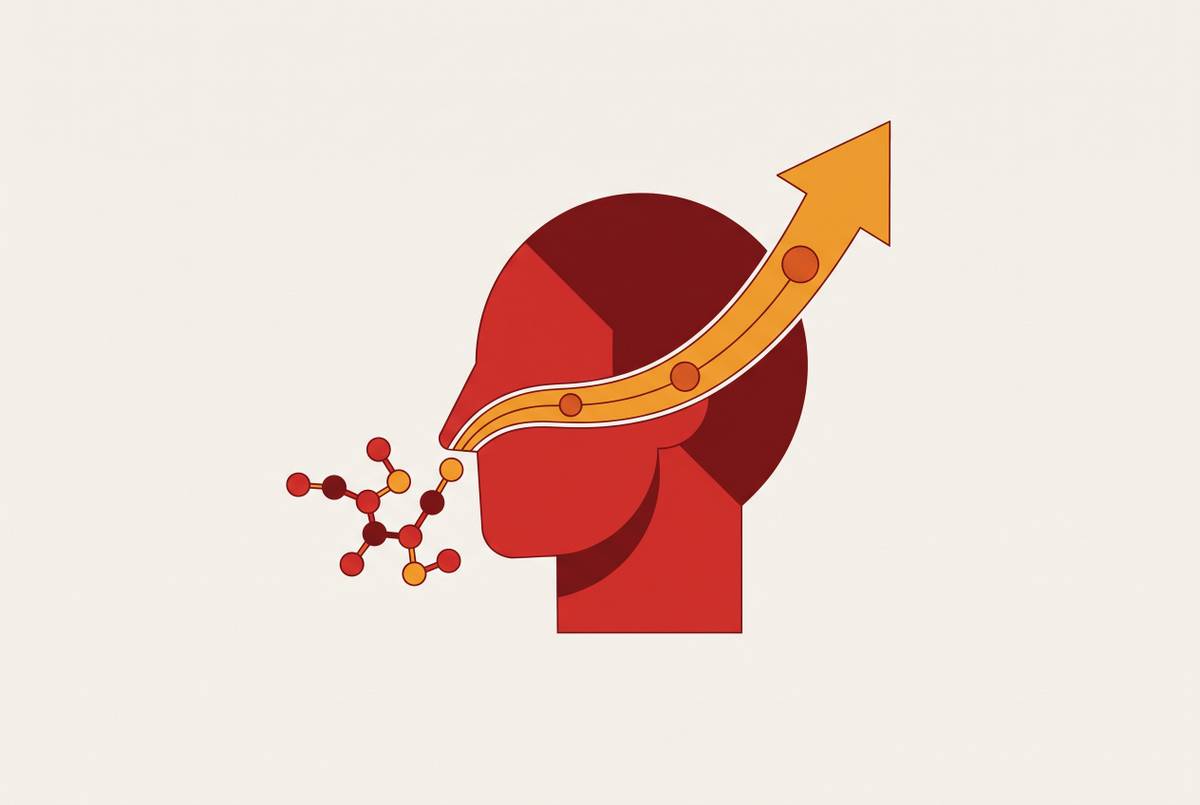
Intranasal delivery bypasses both liver metabolism and the blood-brain barrier.
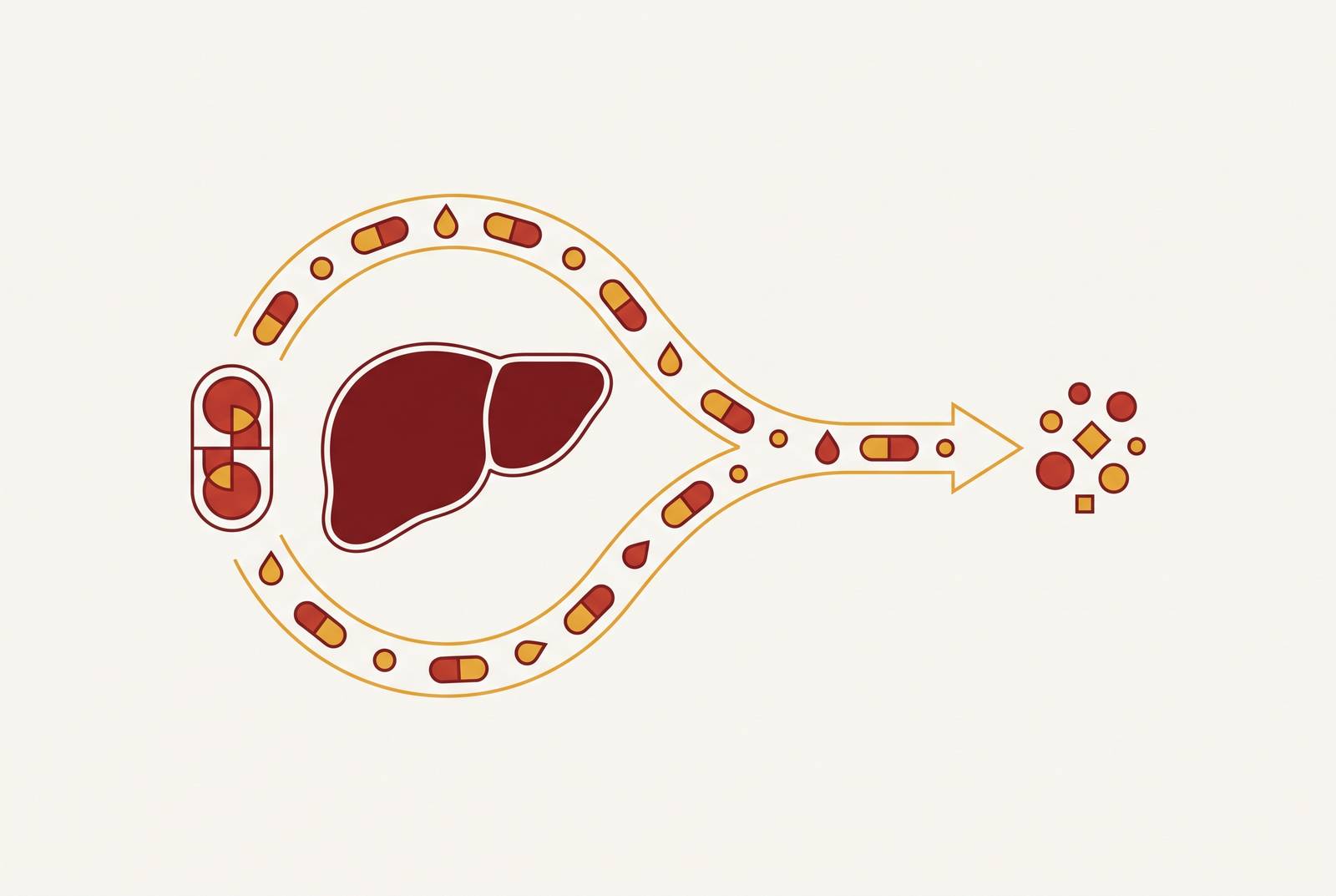
A patient who swallows a pill does not receive the dose printed on the label. Some portion of that dose never makes it to systemic circulation at all, and the gap between what goes in and what actually reaches the bloodstream is called bioavailability. If a drug is taken orally, first-pass metabolism is the single biggest reason that gap exists. When a drug is absorbed from the small intestine, it does not travel straight into general circulation. It enters the hepatic portal vein first, and that vein carries it directly into the liver before any other organ gets a chance to use it. So by the time an oral drug finally reaches the bloodstream, it has already survived one filtration system designed specifically to neutralize it.
The liver is not even the first obstacle. That compounding effect is why oral bioavailability depends on more than how well a drug crosses the gut mucosa. It depends on how much of it survives that crossing chemically intact.
A tempting fix is to simply raise the oral dose to compensate for what gets lost. Higher doses do not get around the liver. They just produce more byproducts for the liver to send downstream.
There is one case where hepatic metabolism works in the drug's favor rather than against it. For most drugs, first-pass metabolism is simply loss, not activation.
Routes of Administration and the First-Pass Constraint
Every route of administration can be understood as a different answer to one question: how much of the dose gets exposed to the liver before it reaches systemic circulation? Drugs absorbed in the small intestine go straight into the portal vein and through the liver before systemic distribution, which makes oral dosing the most convenient route for patients and, at the same time, the most pharmacokinetically costly path to target tissue.
Rectal administration splits the difference, and does so almost by anatomical accident. But the superior rectal vein still feeds into the portal system, so some portion of a rectal dose takes the same hepatic route an oral dose would. That mixed drainage pattern makes rectal absorption inconsistent from one dose to the next, useful as a fallback when oral administration is not possible but not a route to build a precision dosing strategy around.
Sublingual administration gets much closer to a clean bypass. The mucosa under the tongue is thin and dense with blood vessels, so a drug placed there diffuses directly into systemic circulation and never touches the gut wall or the portal vein. A controlled study of triazolam found that sublingual dosing raised bioavailability by an average of 28% compared to the oral form of the same drug. Buccal delivery, where the compound sits against the inside of the cheek rather than under the tongue, works on the same principle but releases more slowly, trading that rapid peak for a longer, steadier absorption curve.
Intravenous administration is the full bypass, and it is the reason IV dosing serves as the reference standard in pharmacokinetic studies: injecting a drug straight into systemic circulation eliminates every absorption barrier and the entire first-pass problem at once. Subcutaneous injection is generally lower-risk than IV, but its onset is slower, closer to intramuscular than to the near-instant action of an IV line.
The intranasal route solves a second problem at the same time, and that second bypass is different enough from everything described above that it deserves its own explanation.
How the intranasal route differs structurally from other first-pass-avoidance strategies
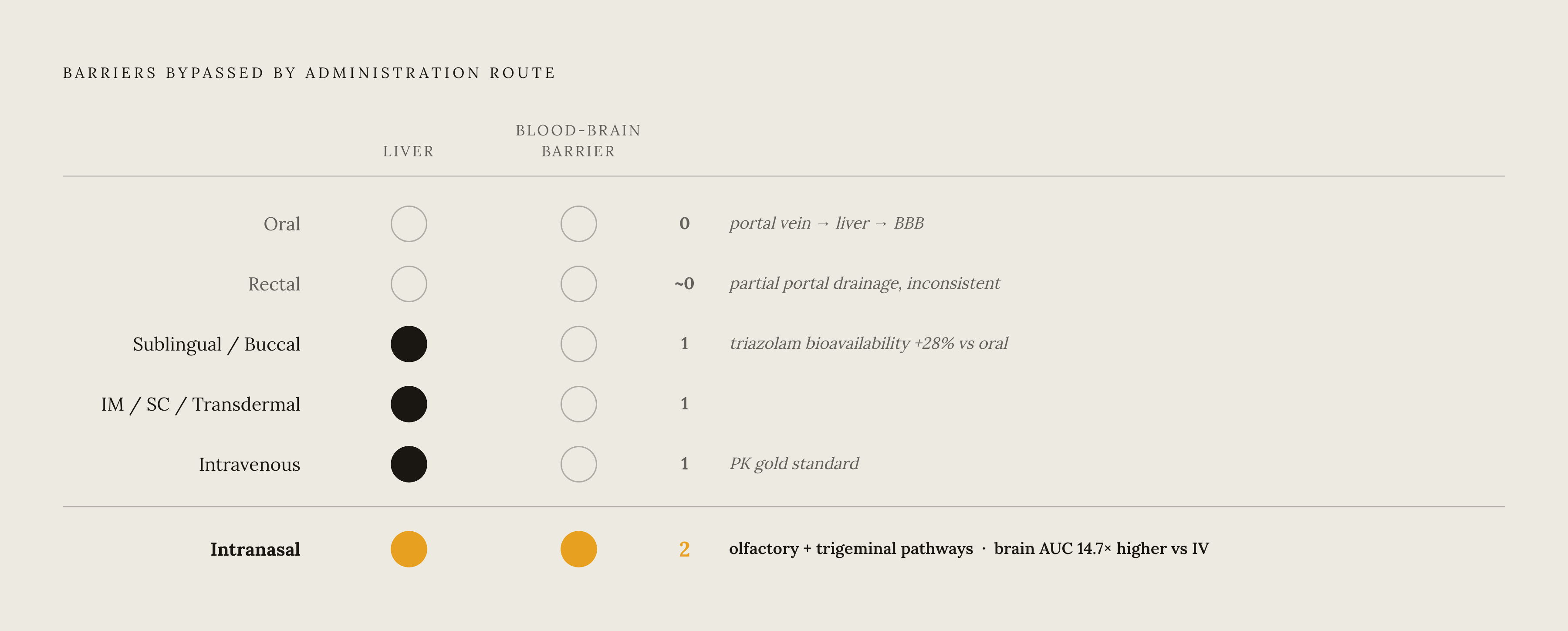
Sublingual, IV, transdermal, and intramuscular routes all solve the hepatic half of the problem, but none of them solves a second barrier that stands between a drug and the brain: the blood-brain barrier. The BBB is a highly selective filter built to keep most foreign compounds, therapeutic or otherwise, out of the central nervous system. A drug delivered by any of the routes already described, however cleanly it avoids the liver, still has to cross that barrier if its target sits in the brain, and for most drugs that crossing is inefficient at best.
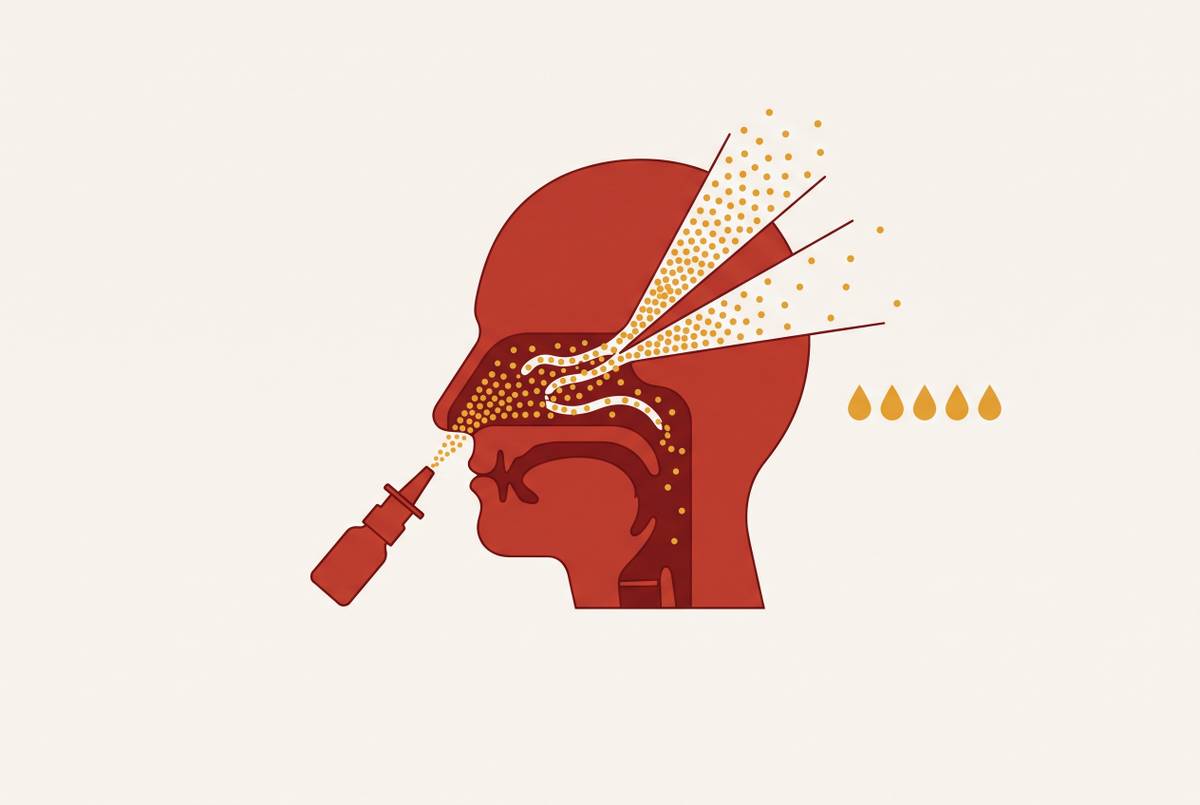
Intranasal delivery is the only non-surgical route that gets around both barriers at once. Drugs absorbed through the nasal cavity can reach the brain while avoiding the hepatic first-pass effect, because the nasal cavity connects to the brain through pathways that route around systemic circulation.
Two anatomical pathways carry that traffic. The olfactory pathway runs through the olfactory epithelium, where absorbed drug travels along olfactory nerve fibers straight into the cerebral cortex, the hippocampus, and other brain regions, bypassing the BBB. It is the better-studied of the two pathways, and it tends to carry drug that has already been released from whatever carrier delivered it. The trigeminal pathway works through sensory neurons of the trigeminal nerve and reaches deeper CNS structures, but it moves more slowly. It is the dominant route for nanoparticles that stay intact through the nasal mucosa, carrying them onward before they release their payload.
The scale of the advantage is visible in preclinical data. And when carmustine was measured by area under the curve, a standard way to express total drug exposure over time, intranasal administration produced brain concentration 14.7 times that of intravenous delivery. These numbers point to something beyond simple convenience: for drugs targeting the CNS, intranasal delivery does not just dodge the liver. It can outperform even IV administration, long treated as the gold standard for bioavailability, when the thing being measured is drug concentration in the brain.
None of this means the nose-to-brain mechanism is fully mapped out. That uncertainty is part of the honest picture, not a reason to discount the preclinical numbers already in hand.
Peptide Drugs, GLP-1, and the Limits of Oral and Injectable Delivery
GLP-1 receptor agonists show what happens when a drug class runs into nearly every one of these barriers at once. GLP-1 is a peptide, large and hydrophilic, and the gastrointestinal tract is actively hostile to it: stomach acid and digestive enzymes degrade it before it can be absorbed, and even what survives that chemical assault still has to get past mucus layers and intestinal epithelium built to keep large molecules out. On top of that, GLP-1's own half-life in circulation runs under two minutes, so even if a dose makes it through the gut and the liver intact, it gets cleared from the bloodstream almost immediately.
Injection solves that problem and creates a new one.
Injectable delivery also carries a real adherence cost. In GLP-1 trials, most participants reported nausea, and more than a third reported vomiting. Dropout rates in Phase 3 trials ran from roughly a quarter to a third of participants, and fewer than two in five patients on injectable semaglutide maintained high adherence at 12 months. Oral semaglutide does improve on those adherence numbers, which is itself a meaningful finding: it shows that the route a drug travels through the body can change how well patients actually take it, independent of the drug's underlying mechanism. But oral peptide delivery still faces GI toxicity, managed only through high doses and formulation engineering, and GI side effects still cause much of the dropout even for patients who take the oral version.
Put together, the GLP-1 case makes an abstract pharmacokinetic argument concrete. A drug can work exactly as intended at the molecular level and still fail patients because of the path it has to take to get there.
Neurological Indications for GLP-1
GLP-1 receptor agonists do more than regulate blood sugar and appetite. Clinical and epidemiological evidence links them to reduced seizure risk and lower rates of addiction to alcohol, cannabis, stimulants, and opioids, along with decreased risk of suicidal ideation, self-harm, bulimia, and psychotic disorders. That breadth of effect points toward the brain as a direct therapeutic target, and not as a side effect of treating metabolic disease elsewhere in the body.
The biology backs that up. GLP-1 receptors sit in brain regions tied to cognition, including the hippocampus and the cortex. The hormone is also produced naturally in the nucleus tractus solitarius of the brainstem, where it acts as a neurotransmitter across several brain regions involved in reward processing, so it connects mechanistically to addiction-related behavior and not just appetite regulation.
The strongest signal so far concerns dementia. A pooled analysis of cardiovascular outcome trials in patients with type 2 diabetes treated with liraglutide or semaglutide found a substantially lower hazard of subsequent dementia diagnosis compared to placebo, and a separate large multi-cohort dataset found a similar association. Preclinical work offers a plausible mechanism behind that signal: GLP-1 receptor agonists have been shown to promote anti-inflammatory microglial polarization, boost regulatory T cell activity, suppress proinflammatory cytokine release, reduce oxidative stress, prevent neuronal apoptosis, and restore central insulin signaling.
But a 2025 study found that GLP-1 receptor agonists did not slow disease progression in patients with early symptomatic Alzheimer's disease, and that raises a real question about what the dementia association actually represents. If the neuroprotective benefit depends on GLP-1 receptors activating inside the brain itself, rather than on improved metabolic conditions throughout the body, then a route that delivers the drug directly to those receptors should capture more of that benefit than one that relies on systemic exposure and an inefficient crossing of the blood-brain barrier.
Injectable GLP-1 reaches the brain the hard way, through systemic circulation and across the BBB. Intranasal delivery, through the olfactory and trigeminal pathways described earlier, targets those same receptors directly. But the biological logic for why it should matter is already in place.
How nanoparticle encapsulation addresses the barriers that make the intranasal route difficult for peptides
The double bypass that makes intranasal delivery attractive comes at a cost, especially for a molecule as fragile as a peptide. The nasal cavity offers enough surface area for small molecules, but that same surface area is a tighter constraint when a large hydrophilic peptide is working against a short clearance window.
There is also a translational gap between animal models and humans worth taking seriously. Because of that anatomical mismatch, results from mouse and rat studies do not automatically scale to humans, and sex-based differences in dosing response add another layer of complexity to that translation.
Nanoparticle encapsulation is the engineering response built specifically around these barriers.
Controlled preclinical work shows the scale of that improvement: N-trimethyl chitosan nanoparticles achieved a 35-fold improvement in the permeability of a neuropeptide across porcine nasal mucosa compared to the same peptide in plain solution, along with longer contact time on the mucosal surface and protection against enzymatic breakdown. Particle size turns out to matter too. Most peptide- and protein-loaded nanocarriers studied for nose-to-brain delivery fall between 50 and 150 nanometers, and that size range influences which pathway, olfactory or trigeminal, ends up carrying most of the dose, since the trigeminal route tends to carry intact nanoparticles while the olfactory route more often delivers payload that has already been released.
None of this evidence comes from human trials yet. It is preclinical science, consistent and growing, but it still falls a step short of clinical confirmation. What makes it worth tracking beyond GLP-1 specifically is that the encapsulation strategy is not built around one molecule. The same surface engineering and protective coating logic that makes a GLP-1 peptide deliverable through the nose applies, in principle, to other peptides, other biologics, and potentially to gene-editing cargo as well.
Why delivery innovation is inseparable from therapeutic efficacy
GLP-1 receptor agonists have already shown real promise across metabolic disease, cardiovascular risk, and a growing list of neurological and behavioral conditions. Turning that promise into consistent patient benefit depends less on refining the molecule further and more on solving how it gets to the tissue where it needs to act.
The history of GLP-1 research makes that point on its own. Nearly everything learned about its broader therapeutic reach, metabolic, cardiovascular, neurological, behavioral, came from understanding where its receptors sit and what they do there, not from changing the drug itself. The open question from here is how precisely and safely GLP-1 can be delivered to the tissues where that capability matters.
The adherence problem with injectable GLP-1 supports that framing directly. The drug works when patients actually take it, and most of those who stop treatment do so because of the injection itself or the gastrointestinal side effects that come with it, not because the drug fails to do its job. That is a delivery failure, and delivery failures are solvable through better routes rather than through dose adjustments or new molecules.
The neurological indications raise the stakes further. Getting GLP-1 to receptors in the hippocampus and the cortex through a route built to reach the brain directly, rather than relying on systemic exposure and an inefficient crossing of the blood-brain barrier, is not a minor refinement. And the underlying principle extends well past GLP-1: any drug class aimed at the CNS, built from a fragile peptide or biologic, and dependent on long-term patient adherence runs into the same two walls, the hepatic first-pass effect and the blood-brain barrier, and any serious delivery technology has to answer both at once. Nanoparticle-enabled intranasal delivery is the clearest current attempt at answering both simultaneously, and because the underlying platform is not tied to one molecule, progress made for GLP-1 stands to carry over to other peptide and neurological targets.
What matters most in that progress is not the size of the population taking GLP-1 drugs today. For them, a solved delivery problem is not a convenience. First-pass metabolism, and the blood-brain barrier behind it, are the design constraints the next phase of this science has to meet.