Proteolytic Barriers at the Nasal Mucosa for Peptide Therapeutics
Enzymes in the nasal lining degrade peptides before they reach circulation or the brain.
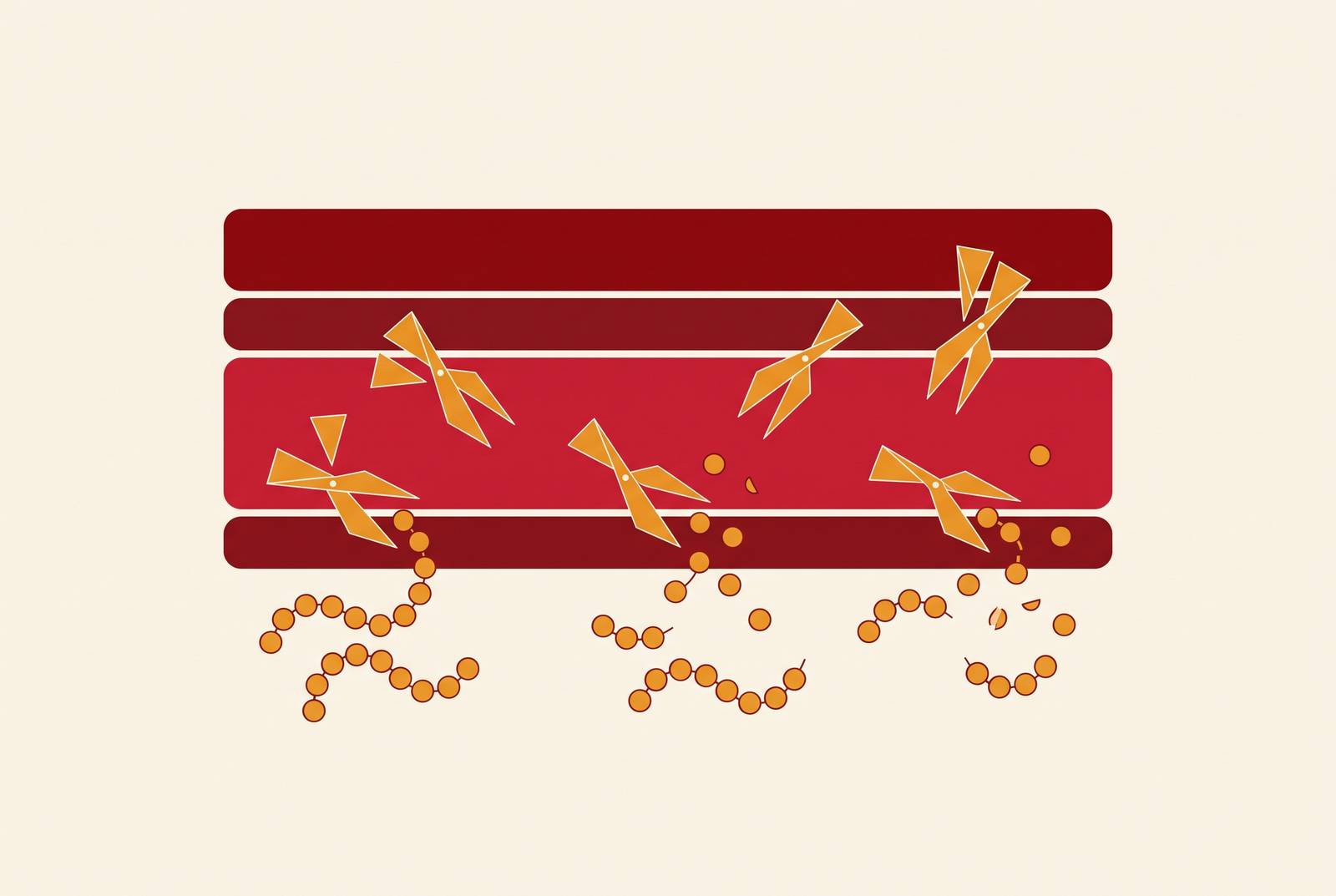
Intranasal peptide delivery gets pitched as a way around the liver: skip hepatic first-pass metabolism, get the drug into circulation or across the blood-brain barrier faster than an injection could manage. That pitch is only half true. The nasal mucosa runs its own metabolic gauntlet, a pseudo-first-pass effect built from resident enzymes that chew through peptides before they ever reach the bloodstream or the brain. Avoiding the liver does not mean avoiding degradation, and understanding exactly which enzymes are doing the chewing, where they sit, and how fast they work is the prerequisite for building a delivery system that can survive the trip.
The enzymatic landscape of the nasal mucosa: which enzymes are present
Aminopeptidases dominate. They are the most active enzyme class documented in the nasal epithelium, but they do not work alone. Carboxypeptidases operate alongside them as a second exopeptidase front, snipping amino acids off the other end of the peptide chain, while endopeptidases cut internal bonds, opening up new cleavage sites for the exopeptidases to finish the job. Transferases and carboxylesterases round out the roster, part of a broader xenobiotic metabolism system that the nose apparently never asked for but has anyway.
Specificity matters here. Studies on sheep nasal mucosa found that enzyme activity showed some preference for aromatic amino acids, so a peptide's exact sequence, not just its size or class, determines how exposed it is to attack. That
Sources
- Recent Advances in Protein and Peptide Drug Delivery: A Special Emphasis on Polymeric Nanoparticles
- Drug Metabolism in the Nasal Mucosa | Pharmaceutical Research | Springer Nature Link
- Drug metabolism in the nasal mucosa - PubMed
- Aminopeptidase activity in human nasal mucosa - ScienceDirect
- sciencedirect.com